
Selling Locally vs Shipping Items
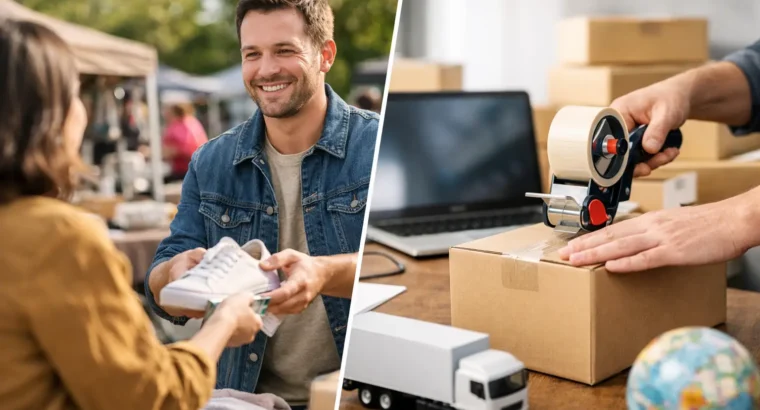
A $40 lamp can turn into a bad sale fast if you spend $18 on shipping, another few dollars on packing supplies, and then deal with a return request because it arrived cracked. That is why selling locally vs shipping items is not just a logistics question. It affects your profit, your time, and how quickly you can actually get the item out of your house.
For many sellers, the right answer depends on what you are selling, how fast you want it gone, and how much effort you want to put into the transaction. Some items make perfect sense for local pickup. Others are worth shipping because the buyer pool is much bigger. The smartest approach is to decide based on the item, not a one-size-fits-all rule.
Selling locally vs shipping items: what really changes
The biggest difference is simple. Local selling prioritizes convenience and speed inside your area. Shipping prioritizes reach by making the item available to buyers anywhere.
When you sell locally, you usually avoid packing, postage, and most selling fees tied to fulfillment. You can often list the item, answer a few messages, meet the buyer, and get paid the same day. That is a strong advantage for furniture, tools, home goods, vehicles, and other bulky or hard-to-ship items.
When you ship, you open the door to more buyers. That can help if the item is niche, collectible, branded, or easy to mail. A lightweight camera lens, rare pair of sneakers, or specialty auto part may sell faster and for a better price if buyers are not limited to one city.
The trade-off is that shipping adds friction. You have to estimate costs, pack safely, print labels, track delivery, and sometimes deal with damage claims or disputes. If your goal is a quick, low-hassle sale, that extra work matters.
When selling locally makes more sense
Local selling is usually the better choice when the item is large, fragile, low-margin, or needed quickly by nearby buyers. A couch, dining table, used lawn mower, treadmill, or set of tires can be expensive and awkward to ship. Even if a buyer is willing to pay for shipping, the process can be enough to scare off both sides.
Local sales also work well for everyday demand categories. Think appliances, dressers, bicycles, baby gear, power tools, and common electronics. These are items people often want fast, and many buyers are happy to pick them up if the price is fair.
There is also a clear cash-flow benefit. With local transactions, payment and handoff often happen at the same time. You are not waiting for a package to arrive or hoping the item survives transit. For people clearing out a garage, moving, or posting free listings to turn unused items into cash, that speed matters more than reaching a national audience.
A local marketplace can also be the better fit for services, job listings, real estate, and vehicles because shipping is not even part of the equation. Those categories depend on location, direct contact, and local intent from the start.
The strengths of local selling
The biggest win is simplicity. You take photos, write a clear listing, set a price, and connect with nearby buyers. There is less math, less packaging, and less waiting.
You may also come out ahead financially even if the sale price is a little lower. A local buyer offering $80 cash for a chair today can be better than a distant buyer offering $100 if shipping costs, packing time, and platform fees cut your margin down.
There is another practical advantage: some items are easier for buyers to trust in person. A used car, sectional sofa, or power tool is easier to inspect locally than from photos alone. That can help serious buyers commit faster.
When shipping items makes more sense
Shipping is usually the stronger option when the item is small enough to send affordably and specialized enough to benefit from a wider audience. This is common with collectibles, brand-name fashion, certain electronics, books, replacement parts, and hobby gear.
If you are selling something uncommon, local demand may be too thin. You might wait weeks for the right nearby buyer, while someone across the country would buy it today. Shipping can also help you maintain pricing on items with a known resale market, especially if buyers search by model, brand, size, or condition.
The math matters here. If the item is compact, durable, and worth enough to justify postage and supplies, shipping may produce a higher net result. That is especially true if buyers are already used to paying delivery costs for that category.
The hidden costs of shipping
Many sellers focus on the broader audience and miss the extra work. Shipping is not just postage. It includes the box, tape, padding, label printing, travel to a drop-off point if needed, and the time it takes to pack correctly.
Risk is another factor. A local buyer picks up the exact item they saw. A shipped item can be delayed, damaged, lost, or challenged after delivery. Even honest transactions can turn into time-consuming back-and-forth if the item arrives with an issue.
For low-priced items, shipping can erase the benefit entirely. If the costs and effort are close to the value of the item, local selling is usually the cleaner move.
Selling locally vs shipping items by category
Category makes this decision easier.
Furniture and home goods usually favor local pickup because of size, weight, and breakage risk. The same is true for appliances, workout equipment, yard tools, and many free items. Cars, motorcycles, auto parts with heavy weight, and real estate are naturally local.
Electronics depend on the item. A TV is often easier to sell locally because shipping is expensive and damage-prone. A phone, tablet, gaming accessory, or camera may be worth shipping if the model has strong demand. Apparel can go either way. Everyday used clothing often works better locally in bundles, while premium brands and specialty pieces may do better with shipping.
Sporting goods, tools, and hobby gear depend on bulk and buyer pool. A set of dumbbells is a local item. A collectible baseball glove or niche fishing reel might be worth shipping.
If you run a small business or side hustle, the choice may vary by inventory type. Local platforms are often ideal for high-frequency, practical goods and service listings where nearby intent is strong. That is one reason broad local marketplaces like Foplak fit so many everyday categories.
How to choose the right option before you post
Start with four questions. Is the item expensive to ship? Is there enough local demand? Can the item be damaged easily in transit? Will shipping still leave you with a profit worth your time?
If the item is large, common, or low-priced, local is often the default. If it is compact, in-demand, and easier to protect, shipping may be worth it. If it sits in the middle, compare your likely net earnings instead of just the top-line price.
It also helps to think about urgency. If you need the item gone this week, local pickup may beat waiting for the perfect remote buyer. If you are willing to hold out for a better price and the item has national appeal, shipping can make sense.
Your own comfort level matters too. Some sellers do not want the hassle of boxes, labels, and returns. Others are already set up to pack and ship efficiently. The right choice is not only about the item. It is also about how you prefer to sell.
A practical rule for most everyday sellers
If you are selling used household goods, bulky items, common electronics, vehicles, tools, or anything people often want nearby, start local. It is faster, simpler, and often more profitable than it looks once you account for shipping costs and effort.
If the item is lightweight, specific, and likely to attract buyers outside your area, shipping may earn more. But run the full math first. A higher sale price does not always mean a better sale.
The best sellers do not argue local versus shipping as if one is always better. They match the method to the item, the market, and the amount of work they want to take on. If you make that call before you post, you will price smarter, sell faster, and avoid a lot of preventable hassle.
When you are unsure, choose the option that keeps the transaction simple and leaves you with the most real profit, not just the biggest number in the listing.


Leave your comment