
How to Sell a Car Locally Without Wasting Time
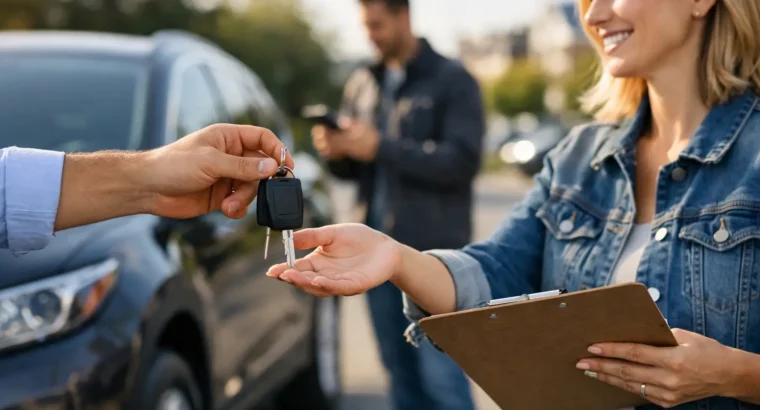
A local car sale can move quickly when the price makes sense and buyers can trust what they see. If you are learning how to sell a car locally, focus on the details that answer a buyer’s first questions before they have to ask: What does it cost? What condition is it in? Where is it located? Is the title ready?
Selling privately usually takes more effort than trading in, but it can also put more money in your pocket. The trade-off is time. You will need to prepare the vehicle, respond to messages, arrange safe meetups, and complete the paperwork correctly. A clear plan keeps that work manageable and helps you avoid the buyers who are not serious.
Start With a Realistic Local Price
Your asking price determines the quality and volume of responses. Set it too high, and your listing sits while buyers choose similar cars nearby. Set it too low, and people may assume there is a hidden problem or expect an even deeper discount.
Look at comparable vehicles in your area with the same year, make, model, trim, mileage range, and condition. Local pricing matters because demand varies by city, season, and vehicle type. A four-wheel-drive SUV may bring more interest in one market, while a compact commuter car may sell faster in another.
Then account for your car’s condition honestly. Recent tires, maintenance records, a clean interior, and working features can support a stronger price. Needed repairs, warning lights, cosmetic damage, accident history, or a rebuilt title should be reflected in the number. Buyers will notice these issues during a test drive or vehicle history check anyway.
Build in a reasonable negotiating cushion, but do not use an unrealistic asking price just to leave room for offers. For example, if you would accept $9,000, an asking price near $9,500 may be easier to defend than listing it at $11,000 and hoping someone negotiates down.
Get the Car Ready Before You Post It
You do not need to restore an older vehicle to sell it locally. You do need to make it presentable and make its condition easy to evaluate. Wash the exterior, vacuum the interior, remove personal belongings, and clear out the trunk. Replace inexpensive items that create a bad first impression, such as burned-out bulbs or worn wiper blades, if doing so makes sense for the vehicle’s value.
Gather the documents buyers may want to review. This can include service records, the owner’s manual, spare keys, a vehicle history report if you have one, and receipts for major work. These items do not guarantee a sale, but they make a buyer more comfortable with the car and can reduce back-and-forth questions.
Do not hide known mechanical problems. State them plainly in the listing and price the vehicle accordingly. Selling a car “as is” may limit your responsibility in many situations, but it does not make false statements acceptable. Requirements vary by state, so check the rules that apply where you live.
Take Photos That Answer Buyer Questions
Photos are often the difference between a message and a skipped listing. Take them during daylight in a clean, open location. Avoid heavy filters, dark garage shots, or photos that hide damage.
Include clear images of the front, rear, both sides, wheels, seats, dashboard, cargo area, engine bay, and odometer. Photograph dents, cracked trim, tire wear, or other noticeable flaws too. An honest photo can save you from arranging a visit with someone who will walk away as soon as they see the issue.
If your vehicle has a valuable feature, show it. Examples include a sunroof, third-row seating, towing equipment, upgraded audio, roof racks, or a backup camera screen.
Create a Listing That Brings Local Buyers
A useful car listing is specific, not salesy. Start with the year, make, model, trim, mileage, transmission, title status, and general condition. Add the asking price and your city or nearby area. Buyers searching local classified listings often compare several vehicles in minutes, so make the basic facts easy to scan.
Your description should explain why you are selling, what has been maintained, and anything a buyer should know before scheduling a viewing. Keep the language direct. “One owner, clean title, 78,000 miles, new front brakes in March, cold A/C, small scratch on rear bumper” gives a buyer more confidence than “excellent car, must see.”
Post in the most specific vehicle category available and use accurate make, model, and body-style details. On a local marketplace such as Foplak, correct category and location information helps nearby shoppers find the vehicle when they are actively searching.
Avoid sharing your home address, driver’s license number, VIN in a public photo, or other personal information that is not necessary to advertise the car. You can share additional vehicle details with serious buyers when appropriate.
Respond Quickly, but Screen Buyers First
Local buyers often contact several sellers at once. A short, timely reply improves your chances, but you do not need to chase every message. Ask interested people whether they have questions, when they would like to see the car, and whether they have financing or a payment plan ready.
Be cautious with messages that immediately ask you to ship the car, send a verification code, accept an overpayment, or communicate only through an unfamiliar payment method. A common scam involves a buyer sending more than the agreed amount and asking the seller to refund the difference. Do not do it. Confirm payment directly through your bank or payment provider before releasing the vehicle or title.
It is fine to tell buyers that the car remains available until you receive an agreed deposit or full payment. Do not mark it sold based only on a promise to come by later.
Handle Test Drives Safely
Meet in a public, well-lit location during the day, such as a busy shopping center, bank parking lot, or police department safe-exchange area where available. Bring another adult if possible, and tell someone where you are going.
Before a test drive, ask to see the buyer’s valid driver’s license. You can take a photo of it with permission or write down the information, depending on what you are comfortable with. Verify that your insurance allows test drives and keep your own insurance active until the sale is complete.
Ride along during the drive. Set a short route that includes normal city driving and, if practical, a higher-speed road. A serious buyer may also want an independent inspection by a mechanic. That is normal, especially for a higher-value car. You can agree to an inspection at the buyer’s expense, provided the vehicle stays under your control and the appointment is reasonable.
Negotiate Without Giving Away the Car
Most local buyers expect some negotiation. Decide your lowest acceptable price before anyone arrives. If you need to think about every offer in the moment, it becomes easier to make a rushed decision.
When a buyer points out a real issue, acknowledge it and refer back to the price. If they simply make a very low offer, respond briefly with your current price or a reasonable counteroffer. You do not need to defend every dollar or keep negotiating with someone who is far outside your range.
If more than one buyer is interested, be fair and clear. Let people know that you will sell to the first person who completes the agreed payment and paperwork. Avoid taking a large nonrefundable deposit unless you understand your state’s rules and put the terms in writing.
Finish Payment and Paperwork the Right Way
For a lower-priced vehicle, cash exchanged at a bank can be simple. For a larger amount, meet at the buyer’s bank or your bank and verify a cashier’s check with the issuing bank before signing over the car. Electronic payments can work, but do not rely on a screenshot, email confirmation, or a pending-payment notice. Confirm that funds are available in your account.
Your state may require some combination of a signed title, bill of sale, odometer disclosure, emissions paperwork, release of liability, and license plate return. If there is a lien, resolve it before advertising the car as ready for sale. Never sign a blank title or give the buyer an unsigned title to complete later.
Make copies or take clear photos of every completed document. Remove your plates if your state requires it, cancel or transfer insurance only after the transaction is complete, and file any required notice of sale promptly. These steps protect you if the buyer receives tickets, causes damage, or delays registration after taking possession.
A good local sale is not about finding the first person who messages you. It is about finding a prepared buyer, completing a safe transaction, and handing over the keys knowing the price and paperwork are settled.


Leave your comment