
Best Way to Sell Used Car for More Money
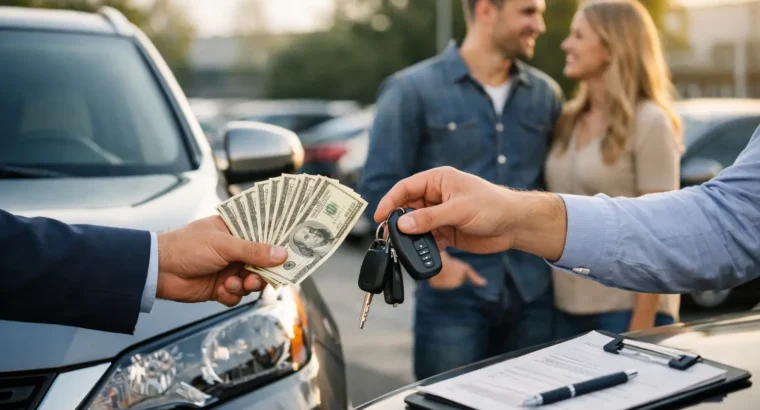
A used car can sit for weeks with little interest, or it can sell quickly to a serious local buyer. The difference usually comes down to preparation, pricing, and how easy you make the deal. If you are trying to figure out the best way to sell used car inventory without wasting time or giving up too much value, start by thinking like both a seller and a buyer.
Most private sellers lose money in one of two ways. They either price too high and watch the listing go stale, or they price too low because they want the car gone fast. The better approach is to build trust, show the vehicle clearly, and price it in the range where local buyers are already shopping.
What is the best way to sell used car listings today?
For most people, the best option is a local private sale through a classified marketplace. It usually gives you more control over price than a trade-in and avoids many of the fees that come with dealer consignment or auction-style selling. You also reach nearby buyers who can inspect the car in person, which matters for used vehicles.
That said, the best route depends on the car and your priorities. If your vehicle is older but still runs well, a local listing can work very well because value-minded buyers are often nearby and ready to act. If the car has major mechanical problems, a fast cash offer or part-out strategy may make more sense. If time matters more than price, a trade-in is easier, but you will usually leave money on the table.
The private local route works best when the car is clean, accurately described, and priced based on current demand in your area.
Start with the real market value
Before you write a listing, look at similar cars for sale near you. Match the year, make, model, trim, mileage, condition, title status, and major features. A 2016 sedan with 85,000 miles and new tires is not the same as a base model with 140,000 miles and cosmetic damage.
Pay attention to active listings, but treat them carefully. Asking prices tell you what sellers want, not what buyers will actually pay. If dozens of similar cars have been posted for a while at the same number, that is a sign the market may be lower.
A smart pricing strategy is to list slightly above your acceptable bottom line, but not so high that buyers skip over you. If your number is fair, you create more interest early. That matters because fresh listings tend to get the most attention.
Prepare the car before you post it
A clean car sells faster because buyers assume it was cared for. That does not mean you need a full detail package or expensive cosmetic repairs. It means handling the obvious things that affect first impressions.
Wash the exterior, vacuum the interior, remove trash and personal items, and wipe down the dash, console, and seats. If there is a bad odor from smoke, pets, or mildew, deal with it before showing the car. Replace inexpensive items that make the vehicle feel neglected, like dead key fob batteries, missing floor mats, or burned-out bulbs.
You should also gather the records a buyer will ask about. If you have oil change receipts, tire replacement history, brake work, or a recent inspection, keep them ready. A folder of basic maintenance records can justify your asking price better than a long sales pitch.
If there is damage, do not try to hide it. Small scratches, worn upholstery, or a cracked mirror are normal on many used cars. Buyers are usually more comfortable with honest flaws than vague descriptions.
The best way to sell used car ads is with clear details
A weak listing creates weak leads. The best way to sell used car ads successfully is to answer buyer questions before they have to ask.
Your title should include the year, make, model, and a strong selling point if relevant, such as low mileage, clean title, one owner, or recent maintenance. In the description, cover the basics first: mileage, title status, condition, transmission, drivetrain, fuel type, and any major features.
Then add the useful specifics people actually search for. Mention leather seats, backup camera, third-row seating, sunroof, towing package, Apple CarPlay, all-wheel drive, or new tires if the vehicle has them. If there are issues, explain them plainly. Saying the air conditioning needs service or the check engine light is on saves time for everyone.
Keep the wording simple and direct. Buyers do not need hype. They need enough information to decide whether the car is worth a message or test drive.
Photos do a lot of the selling
Good photos make local buyers stop scrolling. Take pictures in daylight, on a clean street, driveway, or parking lot with minimal clutter in the background. Avoid heavy filters and do not post old photos from when the car looked better.
Show the car from all angles. Include front, rear, both sides, wheels, dashboard, front seats, back seats, trunk, engine bay, and odometer. If there is damage, photograph it clearly. That may feel risky, but it reduces wasted conversations and helps attract buyers who are comfortable with the real condition.
If you have a service sticker showing recent maintenance or tires with strong tread, include that too. Buyers like evidence.
Screen buyers without making the process hard
Once the listing is live, you will probably get a mix of serious buyers, low offers, and generic messages. That is normal. The goal is not to reply to everyone at length. The goal is to move quickly toward a real meeting with a qualified buyer.
When someone reaches out, confirm a few basics early. Ask whether they have seen the full description, whether they are available to meet locally, and whether they understand the price range. This filters out buyers who are messaging dozens of sellers without reading anything.
You do not need to negotiate heavily by message. In many cases, it is better to say the car is priced based on condition and local market demand, and that reasonable offers can be discussed after inspection. That keeps your leverage until the buyer is standing in front of the vehicle.
Meet safely and keep the transaction simple
For a local sale, meet in a public place during the day if possible. Many people use a busy parking lot or another visible area. Bring a friend if that makes you more comfortable. Keep the meeting focused on the car and avoid sharing unnecessary personal details.
Before a test drive, verify that the driver has a valid license. Ride along if you choose to allow a drive. If that does not feel right, offer to drive first while they inspect how the car runs.
Payment matters just as much as the handshake. Cash can work for lower-priced vehicles, but for higher amounts, many sellers prefer a verified cashier’s check handled at the buyer’s bank, or another method they can confirm before signing over the title. Do not release the car or title until payment is secure.
Paperwork is where many sellers slip up
Every state has its own rules, so check your local requirements before the sale. In general, you should be ready with the title, a bill of sale if needed, odometer disclosure where required, release of liability or notice of sale, and any emissions or inspection documents your state expects.
Make sure the name on the title matches your identification and that there are no unresolved lien issues. If there is still a loan on the car, sort that out before listing or be prepared to explain exactly how payoff and transfer will work.
A smooth seller usually gets better buyer confidence. A disorganized seller can make even a good car feel risky.
When a fast sale matters more than top dollar
Not every seller wants to maximize every last dollar. Sometimes you are moving, replacing a car quickly, or just done dealing with it. In those cases, the best way to sell used car inventory may be to price slightly under comparable local listings and state that the title is in hand and the car is ready to go.
That combination gets attention because buyers know they can close quickly. If you choose this route, be prepared for heavier message volume and stronger negotiation attempts. A lower price attracts more people, including flippers and bargain hunters.
If you want local visibility without listing fees, a marketplace like Foplak can help you put the car in front of nearby buyers who are already browsing by category and location.
Common mistakes that cost sellers money
The biggest mistake is overpricing based on emotion. The second biggest is under-describing the car and forcing buyers to guess. Poor photos, slow replies, and missing paperwork also drag out the process.
Another common problem is confusing cosmetic cleanup with major repair spending. You usually do not need to pour money into a car before selling it. Small fixes that improve trust and presentation often pay off. Large repairs are more complicated. Sometimes they raise value, and sometimes they do not return what you spent.
If you are unsure, compare the estimated repair cost against the likely increase in selling price. If the math is weak, disclose the issue and price accordingly.
Selling a used car goes better when the listing is honest, the price fits the market, and the handoff is easy. Buyers are not looking for perfection. They are looking for a fair deal from someone who seems straightforward.


Leave your comment