
How an Auto Parts Marketplace Saves Time
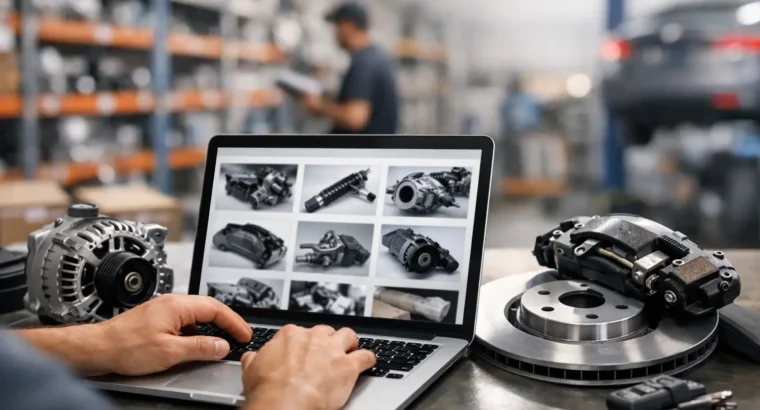
Finding the right fender, alternator, tail light, or set of wheels should not take longer than the repair itself. That is why an auto parts marketplace matters. When buyers can search by part type, vehicle make, model, condition, and location, they spend less time guessing and more time getting the job done.
For local buyers, speed is often the whole point. A daily driver is down, a shop needs a replacement part fast, or someone is trying to avoid dealer pricing on an older vehicle. For sellers, the goal is just as simple – move usable inventory, clear garage space, or turn leftover parts into cash without paying listing fees that eat into the sale.
Why an auto parts marketplace works locally
Auto parts are not like selling a lamp or a coffee table. Fitment matters. Condition matters. Timing matters. A local marketplace helps because people can search nearby, message directly, and inspect parts before money changes hands.
That local piece solves a lot of common problems. Shipping a bumper, hood, or full set of rims can be expensive and annoying. Even smaller parts can be hard to judge from photos alone. When the buyer is nearby, they can verify the brand, compare part numbers, check for cracks or wear, and pick it up the same day.
This also helps sellers who have one-off inventory. Maybe it is a used OEM mirror from a recent repair, a set of takeoff tires, or extra brake components from a project car. A local listing puts that part in front of buyers already searching in the area instead of forcing the seller to package, ship, and manage nationwide returns.
What buyers should look for in an auto parts marketplace
The best marketplace is not just a page full of random listings. It needs enough structure to narrow the search quickly. Buyers should be able to browse by category, location, and relevant vehicle details without scrolling through unrelated items.
A strong category layout makes a difference right away. Someone searching for a radiator should not have to sort through floor mats, seat covers, and engine blocks. Clear segmentation by system or part type keeps the search focused and reduces wasted time.
Location filters matter just as much. If the goal is fast pickup, local visibility is what turns a search into a real transaction. A nearby listing with clear photos and a short description often beats a cheaper option that is far away and harder to verify.
Good listings also make fitment easier to judge. Buyers should look for make, model, year, trim if relevant, OEM or aftermarket status, condition, and any visible part number. If that information is missing, the listing may still be worth asking about, but it creates more back-and-forth and a higher chance of mismatch.
What sellers need to include to get better results
Most slow-moving parts are not unsellable. They are just posted with too little information. In a parts category, vague listings create friction fast. A title like “car part for sale” does not help anyone. A title like “2018 Honda Civic OEM passenger tail light” gives buyers a reason to click.
Photos should show the actual part from multiple angles, not a stock image pulled from a catalog. Buyers want to see connectors, mounting points, wear, scratches, cracks, and packaging if the item is new. If a part number is printed on the item, include a close photo of it.
Descriptions should answer the obvious questions before they get asked. What vehicle did it come from. Is it new, used, rebuilt, or open-box. Does it have cosmetic wear. Was it tested. Is hardware included. Can it be picked up locally today. Those details cut down on dead-end messages and help serious buyers move faster.
Pricing matters too, but not always in the way sellers think. If a part is priced unrealistically high with little detail, buyers skip it. If it is priced slightly below comparable local listings and clearly described, it gets attention faster. Sellers do not need to race to the bottom. They need to make the value easy to understand.
New, used, and aftermarket parts all have a place
One reason an auto parts marketplace attracts steady demand is that different buyers want different things. Some are looking for the cheapest working replacement. Others want OEM only. Some want performance upgrades rather than stock components.
Used OEM parts can be a smart choice for body panels, interior pieces, mirrors, wheels, and many electrical components, especially when dealer pricing is hard to justify. The trade-off is condition and availability. Buyers may save money, but they need to inspect carefully.
New aftermarket parts often appeal to budget-conscious buyers who want a replacement quickly. The upside is price and supply. The downside is that quality can vary a lot by brand. A low-cost part may solve the immediate problem, but it may not last like an OEM version.
Rebuilt and remanufactured parts sit somewhere in the middle. They can offer a better balance of cost and reliability for components like starters, alternators, and steering racks. But buyers should still ask about testing, warranty if any, and who did the rebuild.
How local search changes the buying process
People buying auto parts are usually not browsing for fun. They have a need right now. That is why local discovery matters. A buyer searching close to home can compare listings based on pickup distance, condition, and timing, not just price.
This is especially useful for urgent repairs. If the car is stuck in a driveway or a shop bay is waiting on a part, same-day pickup has real value. Saving twenty dollars on a distant listing may not make sense if it delays the repair by two days.
Local search also helps with larger or awkward items. Doors, seats, hoods, bumpers, and wheels are easier to inspect and transport when the transaction happens nearby. That makes the marketplace more practical for real-world parts shopping, not just small accessories that are easy to ship.
Platforms with broad local category coverage can also help users who are already shopping in other verticals. Someone selling a car, clearing garage tools, or posting service listings may also have auto parts to move. That kind of cross-category traffic can bring in buyers who were not searching a dedicated parts site but are still ready to purchase.
Common mistakes that slow down transactions
The biggest mistake buyers make is assuming a part fits because it looks right. Small differences in year, engine size, trim package, drivetrain, or connector style can make a part unusable. A quick message to confirm fitment is usually worth it.
The biggest mistake sellers make is posting incomplete listings and expecting buyers to do the work. If the item condition, fitment, and pickup area are unclear, serious buyers move on. Fast sales usually come from accurate titles, clear photos, and direct pricing.
Another common problem is poor communication. If a seller takes two days to answer a basic question, the buyer will likely find another option. If a buyer sends only “still available” and nothing else, the conversation often stalls. Clear, direct messages save time on both sides.
Why a free local marketplace makes sense
For many sellers, auto parts are leftover value sitting in a garage, shed, driveway, or small shop. Paying fees to list low- or mid-priced parts can make the effort feel pointless. A free local marketplace removes that barrier and makes it easier to post more inventory, even if the seller only has a few items.
That matters for buyers too. More free listings usually means more selection, more price points, and a better chance of finding a part nearby. A marketplace like Foplak fits that model well because it supports local browsing, category depth, and easy posting across everyday commerce.
The real advantage is practical: buyers find parts faster, sellers reach nearby demand, and both sides avoid a lot of shipping hassle. When a marketplace keeps the process simple, people are more likely to post useful inventory instead of letting it sit.
If you are buying, search with fitment and pickup in mind. If you are selling, post like the buyer needs the answer today. That is usually what turns a listing into a real local deal.


Leave your comment