
Local Buy and Sell Furniture That Moves
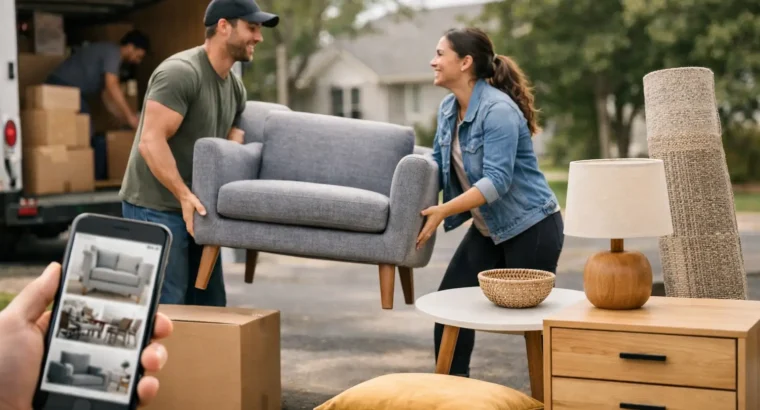
A sofa that won’t fit through the door, a dining set you never use, a dresser your kid outgrew – furniture gets expensive fast, and it takes up real space. That’s why local buy and sell furniture works so well. It lets buyers find usable pieces nearby and helps sellers turn bulky items into cash without dealing with packing, freight quotes, or long wait times.
Furniture is one of the strongest categories in local marketplaces because the value is practical and immediate. People need a bed this week, a desk for a home office today, or a patio set before the weekend. At the same time, sellers often want fast pickup more than top-dollar national exposure. Local listings meet both needs in a way shipping-based platforms usually don’t.
Why local buy and sell furniture works
Furniture is different from smaller secondhand items. Shipping is expensive, damage risk is higher, and condition matters more when buyers are spending a few hundred dollars on something they plan to use every day. Seeing an item locally solves a lot of that. Buyers can check the size, color, fabric wear, drawer function, and overall condition before handing over money.
For sellers, local pickup removes most of the friction. You do not need boxes, pallet freight, or a complicated return process. You post the item, answer a few questions, and arrange a time. If the listing is clear and the price fits the market, large pieces can move faster than many people expect.
There is a trade-off, though. Local selling gives you a smaller pool of buyers than a nationwide marketplace. That means pricing and presentation matter even more. If your area has a lot of similar couches or dining tables available, buyers will compare quickly and skip overpriced listings.
How buyers should search local buy and sell furniture
The fastest way to find good furniture locally is to search with specifics, not broad terms. A search for “dresser” will return everything from child-size pieces to vintage wood sets. A search for “6-drawer white dresser” or “solid wood nightstand” cuts through the clutter and gets you closer to usable results.
Category filters matter too. Good local marketplaces make it easier to browse by room, furniture type, style, brand, and location. If you are shopping for a sectional, for example, narrowing by neighborhood or nearby city can save time and help you avoid listings that look good until you realize pickup is an hour away.
Condition is where buyers should slow down. “Used” can mean lightly used in a guest room, or it can mean sagging cushions and loose legs. Photos help, but they do not replace basic questions. Ask about dimensions, age, material, stains, repairs, smoke exposure, pet exposure, and whether all hardware is included. A quick message before pickup can prevent a wasted trip.
Price should be viewed in context. A low price is not always a deal if the piece needs repair, deep cleaning, or a truck rental. A slightly higher price for a clean, ready-to-use item nearby may be the better buy. Local furniture shopping is less about chasing the cheapest number and more about total value.
How to sell furniture locally without wasting time
Most slow furniture listings have the same problem: they make buyers work too hard to understand what is being sold. If your post says “nice couch, good condition, must go,” expect a lot of questions and weak offers. A better listing answers the basics up front.
Start with a title that names the item clearly. Include the furniture type, size when relevant, material or style, and any feature that buyers usually search for. “Queen platform bed with storage drawers” performs better than “bed for sale.” “Glass-top patio table with 4 chairs” performs better than “outdoor set.”
Photos matter more in furniture than in many categories because buyers are judging shape, finish, wear, and fit. Use clean, well-lit photos from multiple angles. Include close-ups of corners, legs, cushions, drawer interiors, and any flaws. If there is a scratch or stain, show it. Honest listings save time because serious buyers know what to expect.
The description should cover dimensions, brand if known, material, condition, age, and pickup details. Mention if the item comes from a smoke-free home, whether it can be disassembled, and if you can help load it. These details reduce back-and-forth and help the right buyers commit faster.
Pricing is where sellers often lose momentum. If you price based on what you paid years ago, the listing may sit. Used furniture value depends on condition, style, brand, demand, and how quickly you need it gone. A high-end solid wood dresser may hold value well. A basic mass-market entertainment center may not. If speed matters, price slightly below similar local listings. If the piece is in unusually strong condition or hard to find, you have more room.
What makes a furniture listing convert faster
A strong listing usually feels easy to evaluate in under 30 seconds. Buyers want to know four things right away: what it is, what shape it is in, how much it costs, and how soon they can get it. If any of those are unclear, they move on.
Measurements are a big one. Furniture gets rejected at pickup all the time because buyers guessed instead of measured. Sellers who include width, depth, and height attract more serious inquiries. Buyers know whether it fits their room, doorway, or vehicle before they message.
Availability also matters. If you are responsive and clear about pickup windows, you are more likely to close quickly. Local transactions are often won by convenience. A buyer choosing between two similar desks may go with the seller who can meet tonight instead of sometime this weekend.
If you are posting on a broad local marketplace like Foplak, detailed category placement can help your listing get found faster. A chair hidden in a general household section will get less qualified traffic than one placed in the correct furniture category with accurate keywords and local visibility.
Common issues in local furniture deals
Local furniture transactions are simple, but not always effortless. Buyers may ask if an item is still available and then disappear. Sellers may hold an item for someone who never shows up. This is normal marketplace behavior, and it is one reason clear communication matters.
For sellers, it helps to confirm pickup time, payment method, and vehicle readiness before removing a listing or turning away other buyers. For buyers, it helps to confirm dimensions and condition before leaving home. A little structure prevents most headaches.
Negotiation is another area where it depends. Some sellers price with room to negotiate. Others list at a firm number because they already priced aggressively. Buyers usually get better results with direct, reasonable offers than with lowball messages. Sellers usually get better results when they decide in advance how flexible they want to be, especially if the item needs to move quickly.
Safety and logistics matter too. Meet in a practical, public-facing setting when possible, or arrange pickup in a way that feels comfortable. For larger items, plan loading access and bring the right vehicle. A great deal on a sectional is not much of a deal if it takes three trips and a rented dolly to get it home.
Best furniture types to buy and sell locally
Some pieces consistently do better in local marketplaces than others. Beds, dressers, desks, dining sets, nightstands, patio furniture, bookshelves, and sofas tend to see steady demand because they solve everyday household needs. Apartment movers, first-time renters, college students, and growing families all shop these categories regularly.
Style affects demand, but practicality often wins. Clean, neutral pieces usually move faster than highly specific colors or oversized designs. Storage furniture also performs well because buyers are often solving a space problem, not just decorating.
That does not mean unique furniture cannot sell. Vintage and statement pieces can do well if priced realistically and photographed clearly. The difference is that niche items may take longer because the buyer pool is smaller. If you have time, you can wait for the right match. If you need the item gone this week, price for speed.
A smarter way to use local furniture listings
The best results usually come from treating local furniture as a practical market, not an emotional one. Buyers should focus on function, condition, and total cost. Sellers should focus on clear details, accurate pricing, and easy pickup.
When a marketplace makes local search simple, category placement clear, and posting free, furniture changes hands faster because fewer things get in the way. That is the whole advantage of buying and selling close to home. You can browse what is nearby, compare real options, and complete a deal without turning a simple chair, bed, or table into a shipping project.
If you want furniture to move, locally is often the shortest path between extra stuff and a finished transaction.





Leave your comment